Polutant Font: Handwritten Style for Makers
There I was, sitting at my desk with a fresh batch of soy candles ready to label, when I stumbled upon Polutant. A quick download from a freebies site, and suddenly, my labels felt like they had a personality of their own. It wasn’t just a font—it was a spark of creativity that made me want to write everything in it.
What Makes Polutant Special
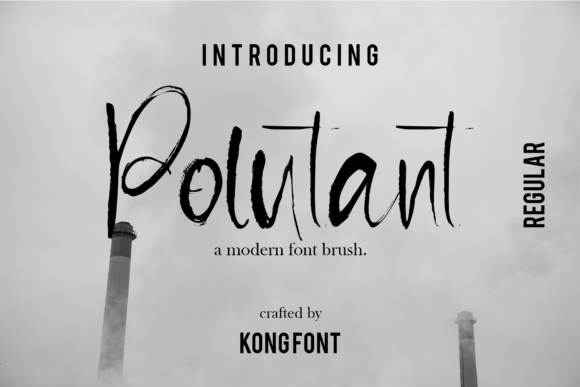
Polutant is a handwritten script font that feels both modern and nostalgic. Its curves are soft but confident, and its strokes have a playful energy that makes it perfect for anything from birthday cards to farmhouse signs. It’s not too fancy, not too casual—it sits right in the sweet spot for handmade products that need a touch of charm without being over-the-top.
I’ve used it on candle labels, and the way it flows across the surface adds a handcrafted feel. It’s also great for greeting cards, where the font brings a personal touch that printed text can’t match. Whether I’m designing a wedding invitation or a printable planner page, Polutant always feels right at home.
Real-World Uses for Polutant
One of my favorite projects this season was creating a set of holiday tags for my shop. I used Polutant for the names of the recipients and added a few swashes for extra flair. The result? A set of tags that looked like they were written by hand, but were easy to print and use again and again.
For my digital downloads, I’ve paired Polutant with a clean sans serif font to balance the design. It works well as a title font, making headings pop without overwhelming the rest of the layout. I’ve also used it on tote bags and mugs, where the font adds a unique touch that stands out in a crowd.
When I’m working on packaging, I love how Polutant looks on small labels. It’s readable even at smaller sizes, which is a big plus when you’re printing on product tags or sticker sheets. The font has enough detail to be eye-catching but isn’t so intricate that it becomes hard to read when cut with a Cricut or Silhouette.
Designing with Polutant
Using Polutant in my designs has helped me create a consistent look across my shop. Whether it’s a seasonal sign, a printable wall art piece, or a simple tag, the font adds a cohesive element that ties everything together. It’s especially useful when I’m working on a theme, like a rustic or vintage style, where the font complements the overall aesthetic.
I’ve also found that Polutant works well for short phrases and titles. It’s not ideal for long paragraphs, but for headings, names, or decorative wording, it shines. I’ve used it for wedding welcome boards, where the font gives a warm, personal feel that matches the event’s vibe.
When I’m preparing mockups for my listings, I often test Polutant on different backgrounds to see how it looks. It adapts well to both light and dark themes, making it versatile for a range of designs. I’ve also used it on printable templates, where the font adds a creative edge that customers seem to appreciate.
Practical Tips for Using Polutant
Before using Polutant for commercial purposes, I always check the licensing details. Since it’s a freebies font, I make sure it’s allowed for use on products like merchandise, printables, or digital downloads. I also look at the file formats included—usually OTF or TTF, which work well with most design software.
When working with cutting machines, I recommend testing the font at a larger size first. This helps ensure that the details are clear and won’t get lost when cut. For small stickers or labels, I sometimes adjust the spacing slightly to make the text more legible.
If you’re pairing Polutant with another font, I suggest going for something simple. A clean sans serif or a basic serif font can balance the script style without clashing. It’s also helpful to use the font for display purposes only, rather than for body text, since it’s not designed for long blocks of content.
Why Makers Love Polutant
What I love most about Polutant is how it brings a handmade feel to digital designs. It’s one of those fonts that makes you want to write more, decorate more, and create more. Whether I’m working on a new product or updating an old one, Polutant adds a layer of personality that I wouldn’t want to miss.
As a crafter, I know how important it is to have the right tools. Polutant has become one of my go-to fonts for almost every project. It’s reliable, stylish, and easy to use—just what I need when I’m trying to bring my creative ideas to life.
From candle labels to printable wall art, Polutant has proven itself time and time again. It’s a font that doesn’t just look good—it feels good to use, and that’s what makes it stand out in a sea of other typefaces.