Typemonkey Font: Modern Script for Web Design
As a web designer, finding the right font can make or break a digital experience. Typemonkey stands out as a script font that blends whimsy with modernity, offering a unique voice for creative projects. Its fluid strokes and expressive character set it apart, making it ideal for headers, logos, and branding elements that demand personality without sacrificing legibility.
Typemonkey belongs to the Script Amp category, which means it’s designed to be both decorative and functional. While some script fonts can feel too ornate for digital use, this typeface balances elegance with clarity, ensuring it works well in a variety of design contexts—from hero sections to call-to-action buttons.
Visual Characteristics and Digital Appeal
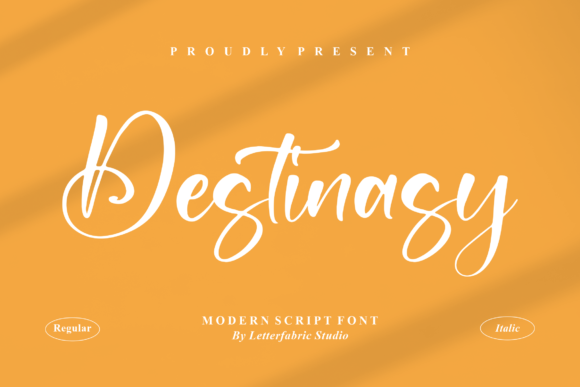
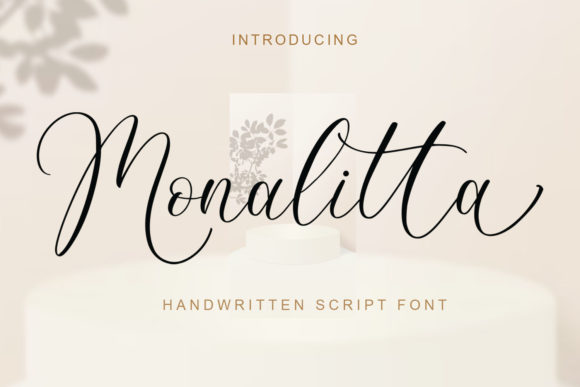
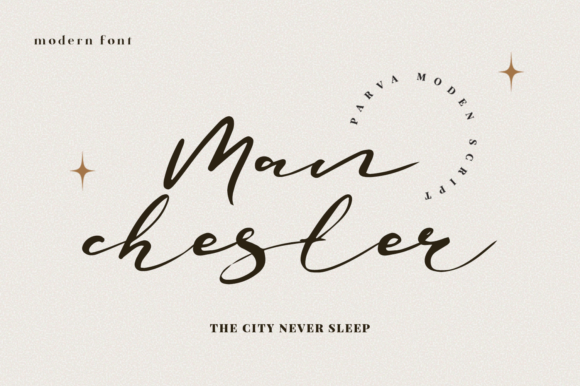
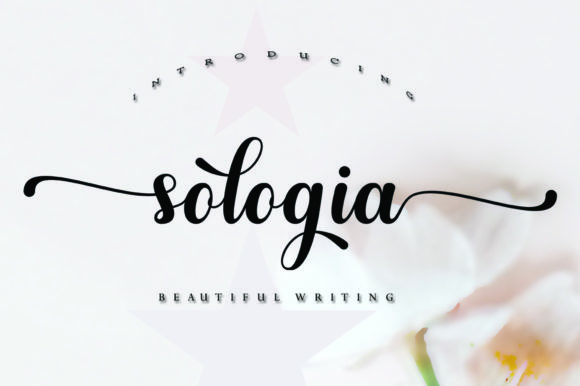
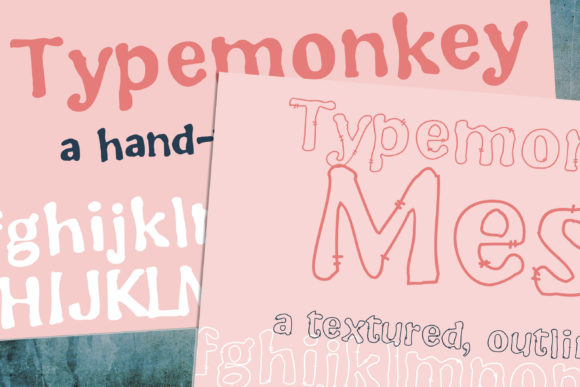
Typemonkey has a handcrafted aesthetic that feels authentic yet polished. Its flowing lines and subtle variations in weight give it a natural, human touch that adds warmth to digital interfaces. This makes it particularly effective for brands aiming to convey creativity, artistry, or a personal connection with their audience.
The font’s personality is playful but not distracting. It works best when used sparingly, such as in headlines or key visual elements where it can draw attention without overwhelming the user. Its contrast between thick and thin strokes also helps create visual interest, making it a strong choice for logo design or branded content.
Use Cases in Web Design
For web designers, Typemonkey excels in areas where typography needs to stand out. It’s perfect for creative portfolios, boutique online stores, or coaching websites that want to showcase a unique brand identity. Its versatility allows it to work in both dark and light backgrounds, as long as there’s sufficient contrast for readability.
- Headers and Hero Sections: Use Typemonkey to create eye-catching headlines that set the tone for your website. Its dynamic shape helps guide users through the page.
- Call-to-Action Buttons: Pair it with a simple sans serif for body text to create a clear visual hierarchy. The contrast between the two fonts enhances readability while keeping the design cohesive.
- Online Store Banners: Typemonkey can add a custom feel to product banners or promotional graphics, helping your brand stand out in a competitive market.
- Blog Headers and Social Media Graphics: Its expressive style makes it ideal for blog titles or social media posts that need a creative edge.
When using Typemonkey on mobile screens, keep text sizes large enough to maintain legibility. Avoid placing it over busy images or low-contrast backgrounds, as this can reduce readability. For small buttons or icons, consider using a lighter weight or alternate form of the font to ensure clarity.
Brand Tone and User Engagement
The right font can significantly impact how users perceive a brand. Typemonkey’s friendly, approachable style makes it great for businesses that want to feel more personal or community-driven. It conveys creativity and innovation, which is especially valuable for SaaS startups, digital courses, or creative agencies.
However, it’s important to use it strategically. Overusing Typemonkey across an entire website can lead to visual clutter and reduce user engagement. Instead, reserve it for key areas where it can reinforce your brand’s message without competing with other design elements.
Font Pairing and Design Balance
Pairing Typemonkey with a clean, neutral font like a sans serif or serif can help balance its expressive nature. For example, using it for headings and a simple sans serif for body text creates a clear structure that’s easy to follow. This pairing also improves readability, especially on smaller screens or in dense layouts.
If you’re going for a more editorial look, consider pairing it with a serif font. This combination gives a classic, refined feel that works well for blogs, magazines, or content-heavy websites. For a modern, minimal aesthetic, a sans serif pairing keeps things sleek and professional.
Practical Considerations for Web Designers
Before integrating Typemonkey into your project, check the available styles, weights, and file formats. Many premium fonts include multiple variants, such as regular, bold, and italic, which can expand your design options. Ensure the font supports multilingual characters if your audience includes non-English speakers.
Webfont availability is also crucial. If you’re using Typemonkey on a website, confirm that it’s available as a web-safe font or that you have the proper licensing for web embedding. Commercial font licenses often allow use on websites, client projects, and online stores, but always verify the terms to avoid legal issues.
For digital product creators, Typemonkey can be a powerful tool in your design assets. Whether you're building a landing page, a course sales page, or a brand kit, its expressive style can elevate your visuals and help establish a consistent, memorable identity.
Ultimately, Typemonkey is more than just a font—it’s a design choice that reflects your brand’s personality. When used thoughtfully, it can enhance user experience, strengthen brand recognition, and bring your creative vision to life. As a web designer, knowing when and how to apply it effectively can make all the difference in your digital projects.